
Hiring the right home renovation contractor in New Jersey is the single most important decision you will make for your property. Whether you are planning a modern kitchen remodel, a luxury bathroom upgrade, or a major house extension, partnering with a qualified professional protects you from financial loss, shoddy workmanship, and legal headaches.
To help you vet candidates effectively, here are 10 essential questions every New Jersey homeowner should ask before signing a contract.
1. Are you officially registered as a Home Improvement Contractor in New Jersey?
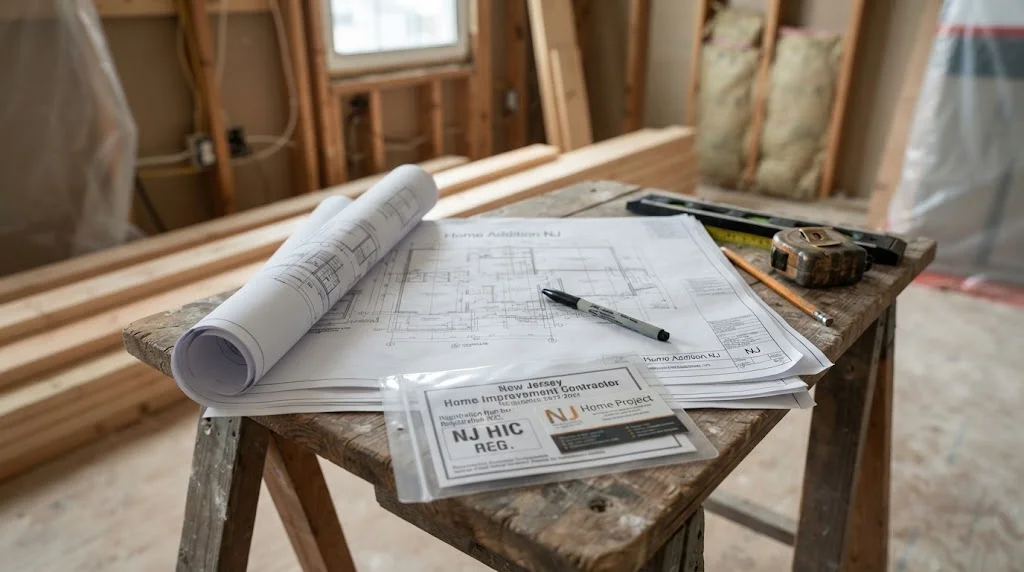
In New Jersey, any individual or business engaged in residential remodeling must hold a valid New Jersey Home Improvement Contractor (HIC) Registration issued by the Division of Consumer Affairs.
- Why it matters: Unlicensed contracting is illegal in NJ. Asking for their registration number and certificate ensures they comply with state consumer protection laws.
2. Can you provide proof of active liability insurance and workers' compensation?
Always request a certificate of insurance directly from the contractor's insurance agency. They should carry both general liability insurance and workers' compensation coverage.
- Why it matters: If a worker is injured on your property or structural damage occurs during construction, proper coverage ensures you won't be held financially or legally liable.
3. Can you provide recent local references and a portfolio of similar projects?
Ask for contact information from at least three recent clients in your region, along with photos or addresses of completed projects.
- Why it matters: Past clients will give you honest feedback on the contractor's reliability, punctuality, cleanliness, and communication style.
4. Will you handle all required local permits and municipal inspections?
Most significant home improvements in NJ require municipal building, electrical, or plumbing permits under the Uniform Construction Code (UCC).
- Why it matters: A reputable contractor handles the permitting process from start to finish. Avoid contractors who ask you to pull permits as the homeowner, as this shifts legal liability onto you.
5. What does your detailed written contract include?
Never rely on a handshake or a vague estimate. A professional contract must specify the exact scope of work, brand names/models of materials, start and completion dates, and total cost.
- Why it matters: A comprehensive contract eliminates ambiguity and serves as a legally binding roadmap for both parties.
6. What is the structured payment schedule?
Be wary of contractors demanding large upfront deposits (e.g., more than 30% to 50% before work begins). A standard schedule relies on milestone payments tied to completed phases of work.
- Why it matters: Milestone payments keep financial leverage balanced and protect you from abandoning contractors.
7. How do you handle change orders and unexpected structural issues?
During renovations, hidden problems like water damage or outdated wiring can surface.
- Why it matters: A professional contractor will document changes in a signed change order outlining cost and timeline impacts before performing extra work, preventing surprise bills at the end.
8. What type of warranties do you offer on labor and materials?
Quality contractors stand by their craftsmanship. Look for warranties covering workmanship alongside manufacturer warranties on materials (like roofing, fixtures, or cabinetry).
- Why it matters: If something fails or leaks a few months after completion, a clear warranty ensures the contractor returns to fix it at no extra cost.
9. What is your estimated timeline and daily work schedule?
Ask for a realistic project schedule, including anticipated start dates, material lead times, and daily work hours.
- Why it matters: Knowing when crews will be on-site helps you plan your household routine and holds the contractor accountable to deadlines.
10. Do you provide lien waivers upon final payment?
A lien waiver is a statement from the contractor and their subcontractors or material suppliers, stating they have been paid in full and waive future lien rights against your property.
- Why it matters: In New Jersey, if a general contractor fails to pay a subcontractor or lumber yard, that third party can place a mechanic's lien on your home. Lien waivers protect you from paying twice.
Partner with Trusted Professionals
Avoiding bad contractors starts with asking the right questions and demanding total transparency. At NJ Home Project, we pride ourselves on full compliance, detailed contracts, and exceptional craftsmanship. Contact our team today to discuss your next New Jersey home renovation!