
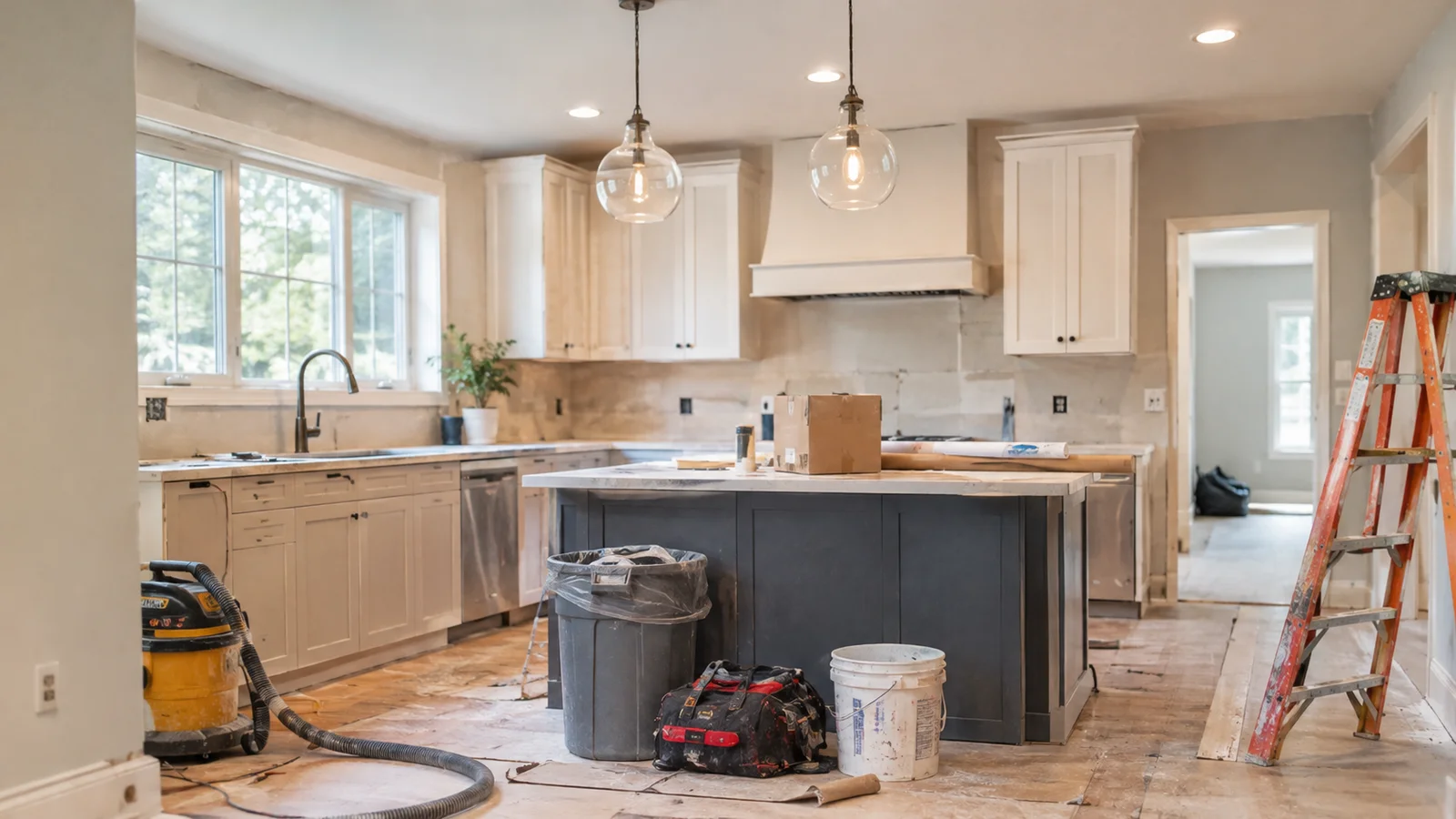
Planning a home renovation in New Jersey involves more than estimating the cost of materials and labor. Once contractors start removing old flooring, opening walls, or replacing fixtures, they may discover problems that were not visible during the initial inspection.
Hidden water damage, outdated wiring, deteriorated framing, and unexpected material expenses can quickly increase your renovation costs.
The best way to avoid financial stress is to plan for unexpected home renovation costs before work begins. Here is how to create a realistic budget and protect yourself from expensive surprises.
1. Set Aside a Renovation Contingency Budget
A contingency budget is money reserved for unexpected expenses during a renovation. It should be separate from the amount allocated to planned work.
For most home renovations, setting aside 10% to 20% of your estimated project cost is a reasonable starting point. Older homes, extensive remodeling projects, and renovations involving plumbing or electrical systems may require a larger reserve.
For example:
- Smaller cosmetic renovation: around 10%.
- Kitchen or bathroom remodeling: around 15%.
- Major renovation of an older home: around 20% or more.
The exact amount depends on the property's condition and the complexity of the work.
2. Understand the Most Common Hidden Renovation Costs
Some expenses are difficult to identify until demolition or construction begins.
Hidden Water Damage
Water damage is one of the most common problems discovered during remodeling. Contractors may find damaged subfloors, rotting wood, mold, or deteriorated drywall behind cabinets, flooring, and walls.
These problems need to be addressed before new materials are installed. Otherwise, moisture can continue damaging the renovated space.
Outdated Electrical Wiring
Older homes may have electrical systems that cannot safely support modern appliances, lighting, and additional outlets.
Replacing outdated wiring, upgrading electrical panels, or adding new circuits can increase the renovation budget. Electrical work should be evaluated by a qualified professional.
Deteriorated Framing and Structural Issues
Removing walls or opening ceilings can reveal damaged studs, weakened floor joists, or other structural problems.
Repairs may require additional materials, labor, and inspections. If a renovation involves load-bearing walls, structural planning is especially important.
Material Price Differences
The materials you initially select may become unavailable, increase in price, or require a more expensive alternative.
Custom cabinets, specialty tiles, countertops, and flooring can also cost more than standard options.
To reduce surprises, confirm product prices and availability before construction begins.
Delivery and Disposal Costs
Material delivery, additional trips, debris removal, dumpster rental, and disposal fees can add to the final renovation cost.
Make sure these expenses are clearly addressed in your contractor's estimate.
Changes to the Original Plan
Changing layouts, selecting different materials, adding lighting, or upgrading fixtures during construction can increase both material and labor costs.
Even small changes may require additional work. Finalize as many design decisions as possible before the project starts.
3. Create a Realistic Renovation Budget
A good renovation budget should include more than the contractor's labor and the main materials.
Consider these expenses:
- Demolition and debris removal.
- Materials and product delivery.
- Labor and installation.
- Plumbing and electrical work.
- Permits and inspections, where required.
- Repairs to hidden damage.
- Finishing materials, fixtures, and hardware.
- A contingency reserve for unexpected expenses.
Ask your contractor to explain what is included in the estimate and which items may result in additional charges.
4. Example: How a Contingency Reserve Protects Your Budget
Imagine you are planning a kitchen renovation in New Jersey with an estimated construction cost of $30,000.
You decide to reserve an additional 15% for unexpected expenses.
- Planned renovation cost: $30,000
- Contingency reserve: $4,500
- Total budget required: $34,500
During demolition, the contractor discovers water-damaged subflooring that requires an additional $2,000 in repairs.
Because you planned for unexpected costs, you can cover the repair without exceeding your total budget.
You would still have $2,500 remaining in your contingency reserve.
Without that reserve, the same problem could force you to delay the project, reduce the scope of work, or find additional funds.
5. How to Reduce the Risk of Budget Overruns
You cannot predict every problem, but you can take steps to make unexpected expenses easier to manage.
- Inspect before starting. Identify visible signs of moisture, structural damage, and outdated systems.
- Get a detailed estimate. Make sure labor, materials, demolition, and cleanup are included.
- Finalize material selections early. Confirm prices and availability before ordering.
- Avoid unnecessary changes. Try to keep the original design and scope of work.
- Discuss additional costs in advance. Ask how unexpected repairs and change orders will be approved.
- Keep your contingency separate. Do not spend your reserve on planned upgrades.
Good communication with your contractor is essential. You should understand why additional work is necessary and how it affects the final budget before approving it.
Plan Your Renovation With NJ Home Project
Unexpected expenses do not have to turn your home renovation into a stressful experience. A realistic budget, careful planning, and clear communication with your contractor can help you stay prepared throughout the project.
NJ Home Project can help you plan your home renovation and understand the work involved before construction begins. Whether you are remodeling a kitchen, updating a bathroom, finishing a basement, or renovating your entire home, contact us to discuss your project.