
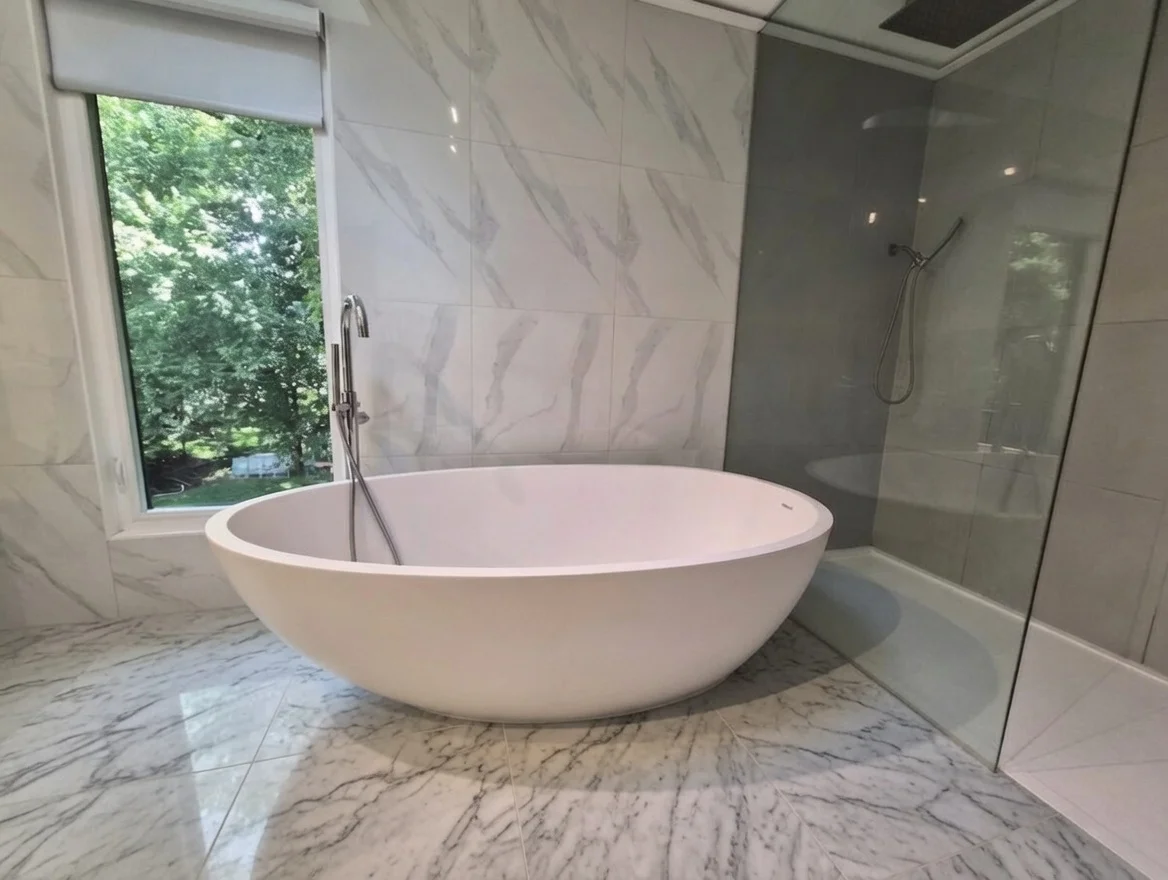
A bathroom remodel can make your home more comfortable, improve functionality, and update an outdated interior. However, before starting a bathroom renovation in New Jersey, it is important to understand the potential costs, construction process, and time required to complete the project.
Whether you are planning a simple bathroom refresh or a complete renovation, careful preparation can help you avoid unexpected expenses and make better decisions about materials, fixtures, and layout.
This guide explains the main stages of a bathroom remodel in NJ, provides estimated costs and timelines, and offers a practical checklist to help you prepare.
How Much Does a Bathroom Remodel Cost in New Jersey?
The cost of a bathroom remodel in New Jersey depends on the room size, existing plumbing, material quality, and complexity of the work.
For initial planning, homeowners can consider the following approximate budget ranges:
- Small bathroom refresh: $3,000 to $8,000. This may include painting, replacing selected fixtures, updating hardware, and making minor cosmetic improvements.
- Standard bathroom remodel: $10,000 to $25,000. This may include a new vanity, toilet, flooring, lighting, and updated shower or bathtub finishes.
- Full bathroom renovation: $20,000 to $40,000. This may involve new tile, plumbing fixtures, a vanity, lighting, waterproofing, and more extensive installation work.
- High end bathroom remodel: $40,000 to $70,000 or more. Premium materials, custom cabinetry, luxury showers, heated floors, and significant layout changes can increase the total cost.
These figures are preliminary planning estimates rather than guaranteed prices. Actual costs vary by location, contractor, project scope, and material selection. The same bathroom can have very different budgets depending on whether the existing layout stays in place or major plumbing and structural changes are required.
Step by Step Bathroom Remodeling Process
1. Plan the Design and Budget
Start by deciding what you want to improve. Consider storage, lighting, shower size, accessibility, ventilation, and the overall appearance of the bathroom.
Establish a budget before choosing finishes. Request estimates that clearly separate labor, materials, demolition, plumbing, electrical work, and other expenses.
It is also helpful to set aside a contingency fund for unexpected conditions that may be discovered during demolition.
2. Complete Demolition and Preparation
The next stage involves removing the fixtures, cabinets, flooring, and wall finishes that will be replaced.
Once the existing materials are removed, the contractor can inspect the underlying structure for water damage, deteriorated materials, or other problems. If repairs are needed, they should be addressed before the new finishes are installed.
Careful preparation is essential because problems hidden behind walls or under flooring can affect both the budget and schedule.
3. Update Plumbing and Electrical Systems
If your renovation includes new fixtures or a different layout, plumbing and electrical work may be required.
Moving a toilet, shower, or sink can increase costs because existing connections may need to be relocated. Electrical upgrades may also be necessary for new lighting, outlets, exhaust fans, or other features.
Any required permits and inspections should be confirmed with the local construction office before the relevant work begins.
4. Install Waterproofing\, Tile\, and Fixtures
Waterproofing is especially important in showers and other wet areas. The appropriate waterproofing system should be installed correctly before tile or other finishes are applied.
The contractor can then proceed with tile installation, flooring, shower components, and other finishes according to the project plan.
After these surfaces are ready, the vanity, toilet, faucets, lighting, mirrors, and other fixtures can be installed. Final checks should confirm that plumbing connections are secure and that water drains properly.
5. Complete Finishing Work and Inspections
The final stage includes painting, installing hardware, sealing appropriate surfaces, making adjustments, and cleaning the work area.
Depending on the project, inspections may also be required. Before accepting the completed bathroom, check the fixtures, doors, drawers, lighting, ventilation, and visible finishes.
Ask your contractor to explain any warranties and provide relevant product information for future maintenance.
How Long Does a Bathroom Remodel Take in NJ?
A standard bathroom renovation often takes approximately 3 to 6 weeks of construction. Cosmetic updates may take less time, while extensive renovations can take longer.
The total process may also include design, material selection, permit approvals, and product delivery before construction begins.
Several factors can affect the schedule:
- The amount of demolition and repair work required.
- The availability of tile, cabinets, fixtures, and other materials.
- Changes to the plumbing or electrical layout.
- Required inspections and permit approvals.
- Unexpected damage discovered during construction.
Ordering materials early and finalizing design decisions before work starts can help reduce avoidable delays.
Two Bathroom Remodel Budget Examples
Example 1: Standard Hall Bathroom
A homeowner wants to update an older bathroom without changing its layout.
The project includes a new vanity, toilet, flooring, updated lighting, fresh paint, and a replacement bathtub with new wall finishes.
Estimated budget: $12,000 to $22,000
Keeping the existing plumbing locations can help control labor costs. The final price will depend on material quality, the condition of the existing bathroom, and the contractor's scope of work.
Example 2: Primary Bathroom Renovation
A homeowner wants a more modern primary bathroom with a walk in shower, new tile, a larger vanity, improved lighting, and updated plumbing fixtures.
Estimated budget: $25,000 to $45,000
The project may cost more if it requires extensive waterproofing work, custom glass, premium tile, plumbing relocation, or repairs to the underlying structure.
These examples are intended for preliminary budgeting. A detailed estimate based on the actual property is necessary to establish a reliable project cost.
Homeowner Checklist Before Starting
Before hiring a bathroom remodeling contractor in NJ, make sure you have considered the following:
- Define your renovation goals and priorities.
- Establish a realistic budget and contingency reserve.
- Compare written estimates based on the same scope of work.
- Select your main materials, fixtures, and finishes.
- Confirm whether plumbing or electrical changes are required.
- Check applicable registration, insurance, and permit requirements.
- Agree on the expected schedule and payment terms in writing.
- Ask about waterproofing methods and workmanship warranties.
- Plan how you will manage without the bathroom during construction.
- Confirm who will handle debris removal and final cleanup.
A well planned bathroom renovation can improve everyday comfort and make better use of your available space. Understanding the costs and construction process before work begins helps you set realistic expectations and reduce the risk of expensive surprises.
If you are planning a bathroom remodel in New Jersey, NJ Home Project can help you organize your renovation goals and prepare for the next steps.