
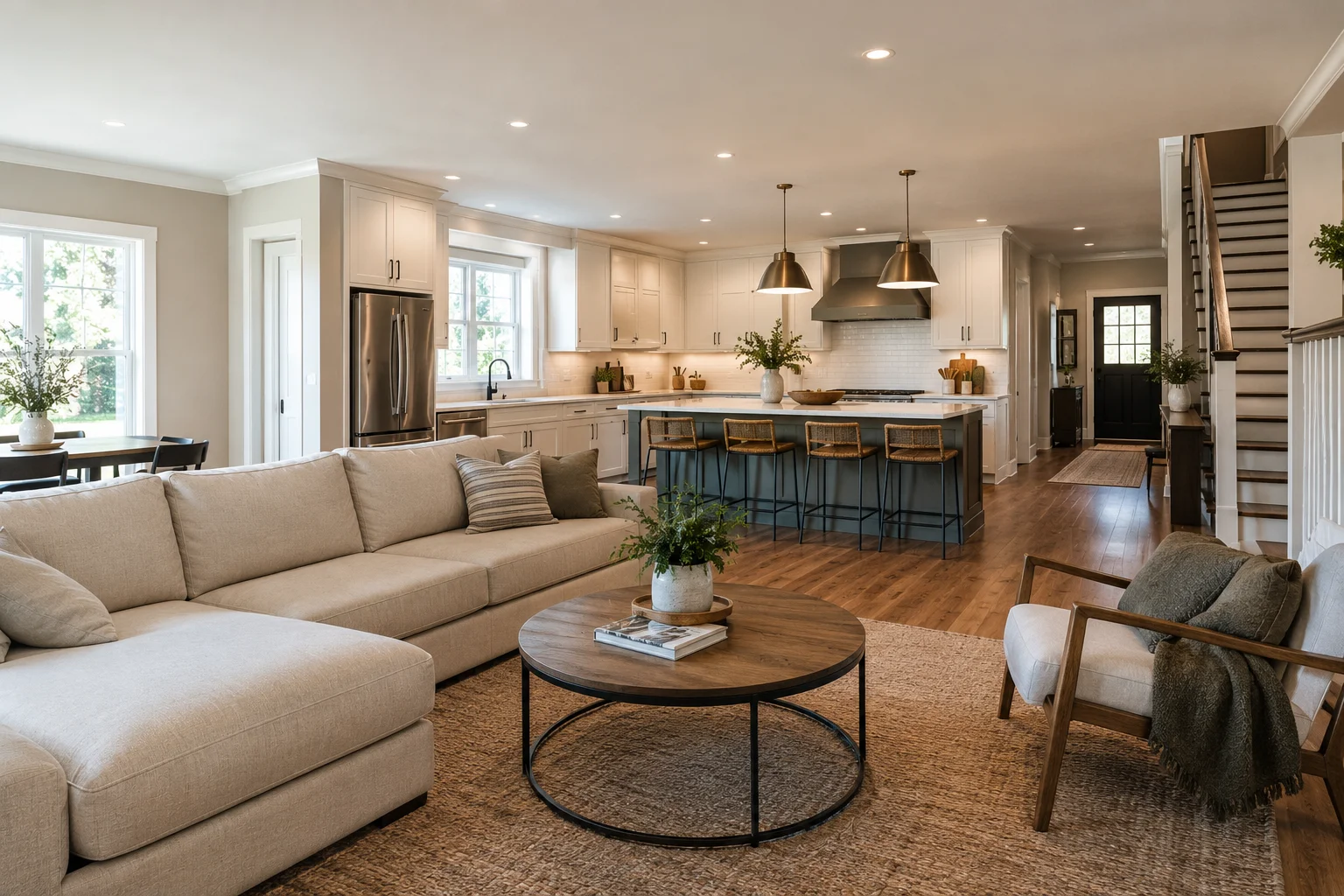
Planning a whole home remodel can feel overwhelming, especially when several rooms need attention at the same time. You may want a new kitchen, updated bathrooms, better lighting, new flooring, and a more functional layout. The challenge is deciding what to do first and how to keep the entire project within your budget.
The best approach to whole home remodeling in NJ is to plan the property as a complete system rather than renovating each room independently. A clear strategy helps prevent duplicated work, unexpected expenses, and design choices that create problems later.
1. Identify Your Priorities Before Starting
Begin by identifying what needs to change and why. Some homeowners want to modernize an outdated interior, while others need more storage, improved energy efficiency, or a layout that better suits their family.
Separate your priorities into three categories: essential repairs, functional improvements, and cosmetic upgrades.
Structural issues, water damage, outdated electrical systems, and plumbing problems should generally be addressed before decorative changes. Improvements such as new cabinets, flooring, and paint can be planned after the underlying conditions have been evaluated.
If you are considering removing walls or changing room layouts, consult a qualified professional to determine whether structural modifications are possible and what approvals may be required.
2. Set a Realistic Whole Home Renovation Budget
A successful whole house renovation in NJ starts with a detailed budget. Rather than allocating money based only on individual rooms, consider how the entire project will affect your home.
Your budget should account for labor, materials, demolition, permits, inspections, electrical work, plumbing, heating and cooling systems, and finishing work. Design services and temporary living arrangements may also need to be included.
Set aside a contingency fund for unexpected conditions. A reserve of approximately 10 to 20 percent of the planned construction budget can be a useful starting point, particularly for older homes where hidden problems may be discovered during demolition.
Ask your contractor to prepare a detailed estimate that separates major costs. This makes it easier to decide which upgrades are essential and which can be postponed if the budget becomes tight.
3. Complete Structural and System Upgrades First
Before choosing paint colors or installing new flooring, evaluate the home's structure and major systems.
Depending on the property's condition, this stage may involve foundation repairs, roof work, framing modifications, insulation, electrical upgrades, plumbing improvements, or heating and cooling changes.
Completing this work early helps prevent damage to newly finished surfaces. For example, replacing old plumbing after installing a new bathroom can require removing tile and opening walls. Upgrading electrical wiring after painting can lead to additional repairs and labor costs.
For older New Jersey homes, it is especially important to investigate potential moisture problems and outdated building systems before finalizing the renovation plan.
4. Plan the Kitchen and Bathrooms Carefully
Kitchens and bathrooms often involve several trades, including plumbing, electrical work, cabinetry, tile installation, and fixture installation. Their schedules should be coordinated with the rest of the renovation.
Finalize layouts and fixture locations before construction begins. Decide where appliances, cabinets, showers, sinks, outlets, and lighting will go before walls are closed or finishes are installed.
If you are renovating multiple bathrooms, consider whether at least one can remain usable during construction. For a kitchen renovation, plan how you will prepare meals while the main kitchen is unavailable.
Your contractor can help determine the most practical sequence based on the scope of work, material availability, and household needs.
5. Schedule Flooring\, Painting\, and Finishing Work
Flooring and painting are usually planned after major structural, electrical, and plumbing work. However, the exact order depends on the materials and installation methods being used.
For example, some flooring should be installed before cabinets, while other materials are installed afterward. Follow the manufacturer's installation requirements and confirm the sequence with your contractor before ordering materials.
Painting generally takes place after major construction and surface preparation, with final touch ups completed near the end of the project.
Lighting fixtures, cabinet hardware, trim, and other finishing details should also be included in the schedule so that the home feels complete when the work is finished.
6. Decide Whether to Renovate Everything at Once
Not every whole home renovation needs to happen in a single phase. Some homeowners prefer to complete the entire project at once, while others divide the work into manageable stages.
Completing the renovation at once may reduce repeated setup and demolition costs, but it can require a larger upfront budget and make the home difficult to occupy during construction.
Phasing the project can spread costs over time and allow you to remain in the home. However, it requires careful planning to avoid damaging finished areas or repeating work later.
If you plan to renovate in phases, create a complete design and scope of work before starting the first room. This helps ensure that electrical connections, plumbing, flooring transitions, and finishes remain compatible with future upgrades.
How to Make Your Whole Home Renovation More Efficient
The most important decisions happen before construction begins. Establish your priorities, confirm the budget, finalize the layout, select materials, and agree on a realistic project schedule.
Work with a qualified home renovation contractor in NJ who can coordinate different trades and explain how each stage affects the next. Keep major decisions documented, and make sure changes to the original plan are approved in writing.
A well planned renovation can improve comfort, functionality, and the long term usability of your home. By looking at the entire property before renovating individual rooms, you can make better decisions and reduce the risk of expensive rework.
If you are planning a whole home renovation in New Jersey, NJ Home Project can help you organize your priorities and plan a renovation that fits your home, lifestyle, and budget.