
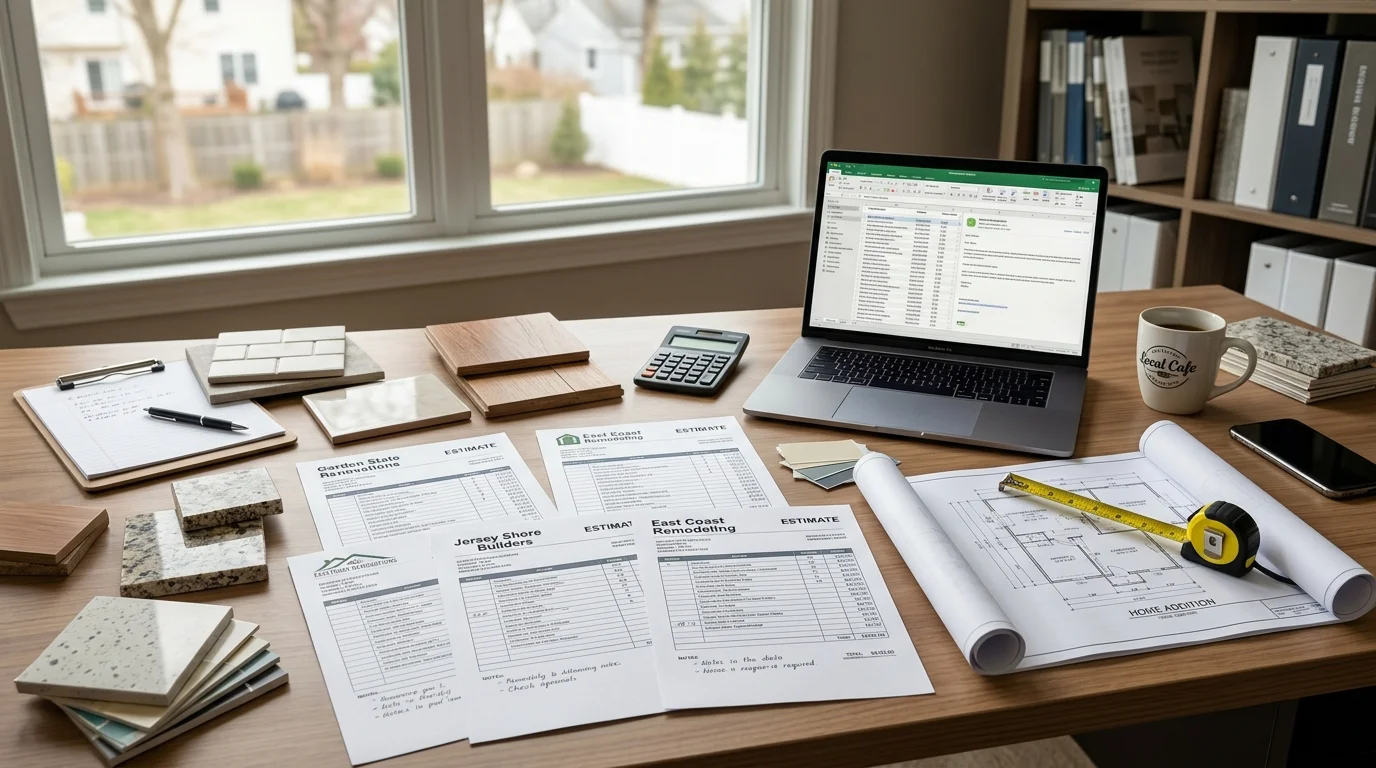
Planning a home renovation in New Jersey often means collecting estimates from several contractors. Although comparing the final prices may seem like the easiest way to choose, the lowest estimate is not always the best value. One contractor may include materials, permits, and cleanup, while another may leave these costs out of the initial quote.
Understanding what each home remodeling estimate includes can help you avoid unexpected expenses, compare contractors fairly, and make a more informed decision before work begins.
1. Compare the Scope of Work
Start by checking whether every contractor is estimating the same project. A detailed remodeling estimate should explain which areas will be renovated, what work will be performed, and which tasks are excluded.
For example, one kitchen remodeling estimate may include new cabinets, flooring, electrical work, and installation. Another may cover only cabinet installation and basic labor.
Ask each remodeling contractor in NJ to provide a written breakdown of the work. If the estimates describe different scopes, request clarification before comparing prices.
2. Check Materials and Product Quality
Material selections can significantly affect the total renovation cost. Cabinets, countertops, flooring, windows, fixtures, and appliances are available at different price points and quality levels.
Look beyond general descriptions such as standard cabinets or quality flooring. Ask for product specifications, brands, models, finishes, and quantities whenever possible.
If one estimate includes quartz countertops and another assumes laminate, the difference in price may be justified. Make sure you understand what you are paying for before choosing a contractor.
3. Understand Labor and Subcontractor Costs
Labor is a major part of most renovation budgets. Ask whether the estimate includes demolition, installation, plumbing, electrical work, painting, and finishing.
You should also clarify whether subcontractors are included in the quoted price or billed separately. A contractor who coordinates several trades should explain how their work will be scheduled and managed.
An unusually low labor estimate may indicate that some tasks have been excluded or that the contractor has made assumptions that need to be clarified.
4. Review Allowances\, Permits\, and Demolition
An allowance is a budget assigned to an item that has not yet been selected or priced precisely. For example, a contractor may include an allowance for lighting fixtures or bathroom tile.
If your final selections cost more than the allowance, you may need to pay the difference. Ask how allowances are calculated and whether installation costs are included.
Check whether the estimate includes permit fees, required inspections, demolition, debris removal, and disposal. Requirements vary by municipality and project type in New Jersey, so confirm which permits are necessary and who is responsible for obtaining them.
5. Compare Payment Schedules and Warranties
A written estimate should be accompanied by clear contract terms explaining when payments are due. Ask how the payment schedule relates to project milestones and whether any deposit is required.
Avoid agreeing to vague payment terms or making substantial payments without understanding what they cover.
You should also review warranties for workmanship and materials. Ask how long coverage lasts, what it includes, and how problems will be handled after the renovation is complete.
6. Ask How Change Orders Are Handled
Renovation projects can uncover unexpected conditions, particularly in older New Jersey homes. Hidden water damage, outdated wiring, or structural problems may require additional work.
A change order documents modifications to the original agreement, including the additional work, revised cost, and potential effect on the completion date.
Before signing, ask how change orders are approved. Request written authorization before additional work begins so that you can understand the financial and scheduling implications.
How to Choose the Best Remodeling Estimate
The best estimate is not necessarily the cheapest or the most expensive. Look for a detailed scope of work, clearly specified materials, transparent labor costs, realistic allowances, and an understandable payment schedule.
Compare at least several estimates when practical, check contractor references, and review the written contract carefully. Ask questions about anything that seems unclear or unusually inexpensive.
Taking the time to compare a home remodeling estimate in NJ can help you make a more confident decision and reduce the risk of unexpected costs during construction.
If you are planning a renovation, NJ Home Project can help you understand your project requirements and prepare for the next steps toward improving your home.